Erlon: The Bold Serif Typeface for Handmade Branding
The morning light hits my cutting mat just right, and I am staring at a blank sheet of vinyl. Today is the day I finalize the labels for my new line of soy candles. For weeks, I have been scrolling through endless font libraries, trying to find something that feels both rustic and refined. I need a typeface that commands attention on a small jar but still whispers elegance when viewed up close. That is when I found Erlon. It is not just another serif font; it is a bold, beautiful duo that immediately transformed my product mockups from generic to gallery-ready.
Why This Typeface Changed My Label Game
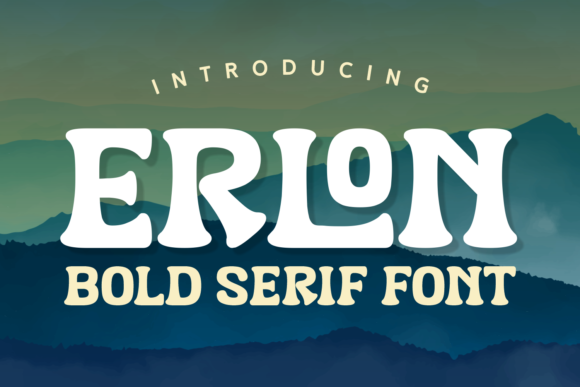
When you are selling handmade goods, every pixel counts. Your font is often the first thing a customer sees in a search result or on a physical shelf. Erlon brings a specific kind of charm to the table. As a bold serif font, it possesses a strong structural backbone with elegant curves that feel timeless yet modern. Unlike thin serifs that can get lost on small stickers, this display font holds its weight perfectly.
I tested it on my candle jars, and the difference was instant. The regular version provides a solid, trustworthy presence for the brand name, while the italic version adds a touch of fluidity that mimics the wax dripping down the side of a jar. It is the perfect match for logos, product packaging, and signage where legibility meets style. Seeing the text render on my screen before I even cut the vinyl gave me the confidence to move forward with the design.
From Digital Mockup to Physical Product
One of the most satisfying parts of using Erlon is seeing how it translates across different mediums. I started by designing digital downloads, like printable wall art and planner pages. The clean lines of the serif font make it incredibly easy to read on a computer screen, which is crucial for listing images. When I switched to physical production, the font shined again. I used it for boutique tags attached to tote bags and shirts. Because it is a bold typeface, it remains crisp even when printed on textured paper or embroidered onto fabric.
I also experimented with seasonal products. During the holiday season, I created custom gift tags using Erlon. The combination of the regular and italic styles allowed me to create a hierarchy of information without cluttering the tag. The brand name stood out in the regular weight, while the "Merry Christmas" message flowed beautifully in the italic. It felt organic, like the handwriting of a skilled calligrapher but with the consistency required for a commercial shop.
Perfect Pairings for Your Shop Branding
No single font does everything alone. To truly elevate your brand identity, you need to know how to pair Erlon with other typefaces. Since Erlon is a bold serif, it pairs exceptionally well with a clean sans serif font for body text or instructions. Imagine a wedding invitation where Erlon handles the main names and headings, providing that dramatic flair, while a simple sans serif font lists the date, time, and location in a readable, unobtrusive way.
If you want to lean into a more romantic or vintage aesthetic, try pairing Erlon with a delicate script font. The contrast between the sturdy, bold structure of the serif and the flowing strokes of a handwritten font creates a dynamic visual rhythm. I used this combination on a set of greeting cards for my shop. The bold serif grabbed the recipient's eye, and the script added a personal, intimate touch. Just be careful not to overdo it; let Erlon be the star of the show and use the secondary font to support it.
Readability Matters on Small Formats
As a maker, I often face the challenge of fitting text onto very small surfaces. Whether it is a sticker sheet for a planner or a label for a small spice jar, clarity is key. Erlon excels here because of its generous x-height and clear letterforms. However, when using any creative font on small formats, you must test your kerning and spacing carefully. I recommend avoiding extremely small sizes for the regular version if you plan to sell these items online as printables; customers need to see the details clearly in their browser.
For cutting machines like Cricut or Silhouette, the bold weights of Erlon are fantastic. They cut cleanly without losing fine details, making them ideal for vinyl decals on mugs, tumblers, and laptops. The font's distinct shapes prevent bleeding on curved surfaces, ensuring your logo looks professional whether it is wrapped around a coffee mug or adhered to a glass bottle.
Building a Cohesive Visual Identity
Consistency is what turns a hobby into a recognizable brand. By sticking to one primary typeface like Erlon, you create a visual language that customers can trust. When they see that specific bold serif font on an Instagram post, a website banner, and a physical package, they instantly recognize your shop. This emotional connection is vital for engagement.
I used Erlon to design my entire stationery suite, including business cards, email signatures, and social media graphics. The font's versatility allows it to work in both editorial design and web design contexts. It bridges the gap between traditional print aesthetics and modern digital needs. For example, I created a series of quote posters for my Etsy shop using Erlon as the headline. The boldness of the letters made the quotes pop against the background, encouraging users to save the image and share it with friends.
What to Check Before You Start Selling
Before you start incorporating Erlon into your commercial products, there are a few practical steps to take. First, always check the included styles. Does the license cover the regular and italic versions? Are there alternate characters, ligatures, or swashes that might add extra flair to your designs? Knowing exactly what file formats you have access to (like OTF or TTF) ensures compatibility with your design software.
Secondly, review the commercial font licensing terms carefully. If you are creating physical merchandise like t-shirts, mugs, or tote bags, or if you are selling digital templates and printables, you need to ensure your license allows for these specific uses. Some fonts require a separate extended license for resale items. Being transparent about your materials helps build trust with your audience and keeps your business compliant.
Finally, consider multilingual support if you plan to ship internationally. While Erlon is a stunning choice for English-based branding, checking if it supports other languages can open up new markets for your handmade goods. Whether you are crafting wedding invitations, designing product labels, or creating seasonal decorations, having a reliable, versatile font is essential. Erlon has become a staple in my design toolkit, proving that a great serif font can truly bring a handmade vision to life.